
Your attention follows a neon cyber grid. Techno bass and a pulse of drums in the dust
At a glance
Techno for neon cyber grid coding: Grid Dust keeps the cursor moving
Techno for neon cyber grid coding is the job Grid Dust by Dr.DIO does well: a deep, energetic instrumental where the bass and drums pulse through a glowing digital grid while fine particles of sound drift through the light.
The track is techno first, laced with progressive house, tech trance and progressive trance, and it runs at 128 BPM in F minor. That steady four to the floor tempo keeps the hands moving on the keyboard, while the minor key adds a cool, spacey shadow. For close to four minutes it feels like watching lines of code scroll across a dark screen, each beat lighting up another cell in the matrix.
Questions about Grid Dust
What genre is Grid Dust?
Grid Dust is a techno track by Dr.DIO with progressive house, tech trance and progressive trance influences, built on a driving bass line, tight drums and cold synth arpeggios in F minor.
Does Grid Dust have vocals?
No, Grid Dust is fully instrumental. Synthesizer, bass, drums, computer textures and a distant piano carry the whole track, leaving the mind free for focus.
What is Grid Dust good for?
It suits coding, debugging, gaming and late night work, offering a deep, energetic groove that keeps momentum steady through long sessions at the screen.
Which Dr.DIO collection is Grid Dust in?
Grid Dust appears in Hiker Rest, a Dr.DIO collection subtitled Trance Grooves for Coding at Night, gathered around steady energy for focused nocturnal work.
What tempo does Grid Dust have?
It moves at a brisk dance pace with a steady kick on every beat, energetic enough to keep you alert while staying smooth enough for concentration.
You mayalso like






Similarcollections

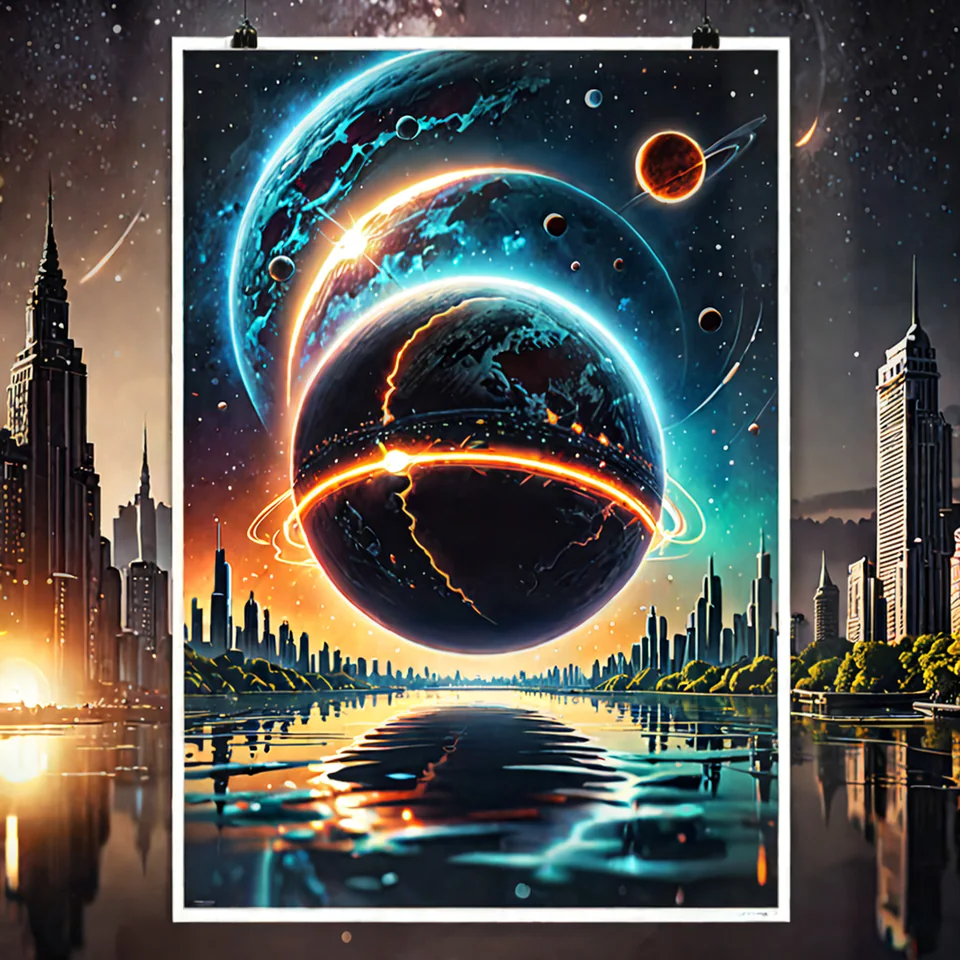
Looming Orbit

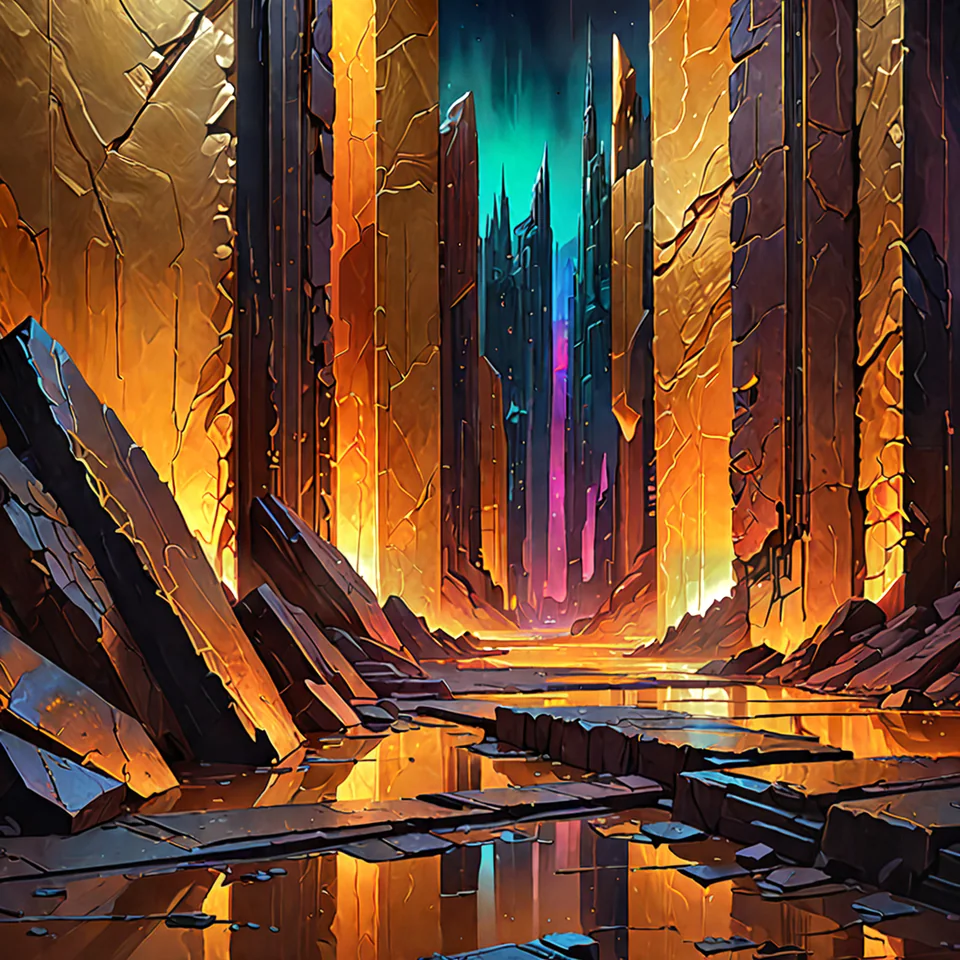
Statue Hall

Skyscraper Glow

Red Giant

Dark Planet

Snowbound Peak
Cold arpeggios, heavy low end and drifting dust
Imagine a city drawn entirely in neon lines, dust hanging in the beams of passing cars. The synthesizer builds that city out of cold arpeggios and wide pads, glittering and precise. The bass is the engine underneath, a rolling, driving line that keeps everything in motion. Somewhere far behind, a piano plays a few sparse notes, a human touch inside the machine, while computer textures crackle and hiss like static on a screen.
The mood is deep and spacey rather than aggressive. F minor gives the harmony a cool, slightly melancholic tint, and the production leaves plenty of air around each sound. Drums are tight and punchy, the kick solid, the hats crisp, the claps snapping cleanly through the mix. The trance influence shows in the long synth lines that rise over the groove, adding a sense of distance and scale.
How the pulse tightens and the matrix lights up
Grid Dust opens with a filtered kick and a thin layer of digital texture, the grid booting up in darkness. The bass enters and locks to the beat at 128 BPM, then the synth arpeggios begin to spin, first quietly and then with growing brightness. Each new element tightens the pulse: hats push forward, percussion fills the gaps, and the pads spread wider across the stereo field.
Halfway through, the drums drop away and the piano surfaces alone for a moment, framed by drifting pads like dust in a beam of light. Then the kick returns with fresh weight, and the full arrangement rolls on with more energy than before. The build is steady rather than explosive, which keeps the focus intact. Toward the end the layers peel away one by one, leaving the bass and a final shimmer of synth.
Night coding, gaming and the Hiker Rest set
This is music for long sessions at the screen: coding, debugging, data work, design or late night gaming. Its steady techno drive keeps energy up without lyrics to distract, making it strong background for deep concentration. It also fits drives through lit up streets, gym sessions with a futuristic edge, or any moment when you want to feel like a character crossing a cyberpunk skyline.
Grid Dust belongs to the Dr.DIO collection Hiker Rest, subtitled Trance Grooves for Coding at Night, a set made to keep developers and late workers moving through quiet hours. Among its companions it is the most electric and futuristic piece, the one that turns a desk into a control room. Open the editor, dim the screen, and press play to light up the grid.