
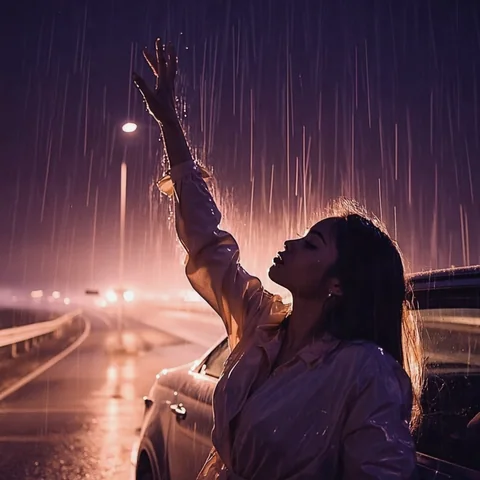
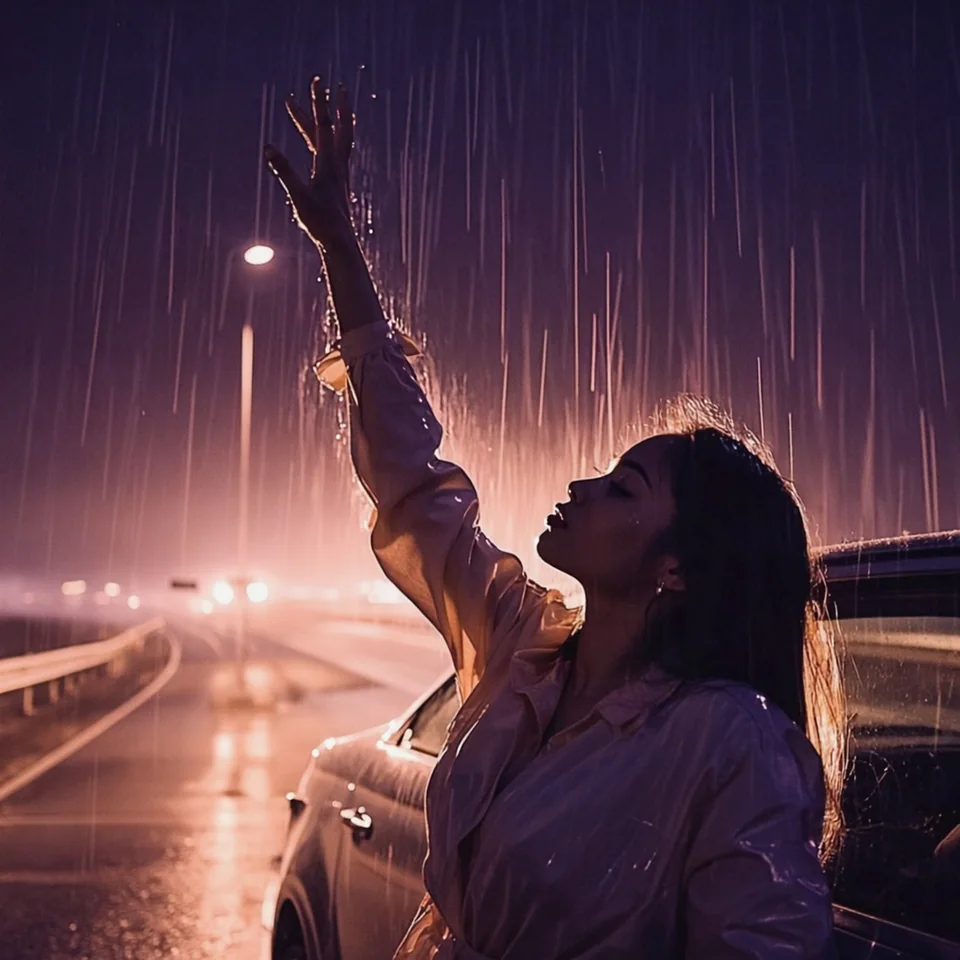
You lean toward the window and stay. Ambient piano over passing lights
At a glance
Ambient piano for watching the world slide by: Passing Lights
Ambient piano for watching the world slide by is the feeling Passing Lights by Dr.DIO is made for: an emotional, romantic vocal song at 67 BPM in Bb major.
You lean toward the window, the glass cool against your forehead, and streetlights stream past like slow comets. The genre is ambient, with downtempo pulse, experimental textures and the shape of a ballad, so it moves with feeling while staying spacious. It has vocals, soft and close, carried over a piano that seems to glow from inside. Calm without being empty, it turns a simple ride into a small private film.
Questions about Passing Lights
What genre is Passing Lights?
Passing Lights is an ambient song with downtempo, experimental and ballad elements, moving at a slow, floating pace in Bb major.
Does Passing Lights have vocals?
Yes, Passing Lights has vocals, soft and close, set over glowing piano, warm synth pads, shimmering guitar and a faint bass and drum pulse.
What does Passing Lights sound like?
It sounds like slow, glowing piano chords over a breathing synth bed, with a tender vocal, delicate guitar reflections and a soft heartbeat of drums.
What is Passing Lights good for?
It suits night trains, late rides, rainy windows, quiet evenings, reading and winding down, and its romantic warmth fits an evening spent with someone close.
Where can I listen to Passing Lights?
You can listen to Passing Lights for free on its release page at drdio.studio, the official website of Dr.DIO.
You mayalso like









Similarcollections

Azure Thicket

Pagoda Serenity

Galaxy Gaze

Meteor Waters

Harbor Dusk

Sleeping Town
This track is ours, so the license is simple. No collecting society fees, no copyright claims.
Soft keys, city glow and a tender voice
Picture a night train crossing a sleeping town, windows flickering amber one after another. The piano plays in long, unhurried phrases that hang in the air, each chord left to fade before the next arrives. A warm synth bed fills the space behind it, and the guitar adds faint, shimmering touches like reflections sliding along the glass. The vocal enters as quietly as a thought. What it gives you is permission to feel, gently, without drama.
The ballad side shows in the melody, which rises and falls like a confession, while the experimental side lives in the texture: tiny clicks, a reverb tail that warps slightly, a pad that seems to breathe. Bb major keeps the colour warm and hopeful, so even the emotional peaks feel consoling rather than heavy. Drums and bass stay in the far background, a soft heartbeat you sense more than hear.
A slow drift with gently gathering layers
At 67 BPM the track moves at a slow, floating pace, close to the rhythm of quiet breathing. It begins with piano and pads alone, as if the train has only just pulled away. The bass steps in softly after the first vocal line, and the drums arrive later still, brushing the beat into shape. The guitar enters last, a little higher and brighter, adding motion like lights accelerating past.
The arrangement never builds to a crash. Instead it swells in waves: a fuller chord here, a doubled vocal there, a moment where the synth widens until the whole room seems to glow. Then it recedes again, the pulse thins, and the piano returns to its opening calm. That ebb and flow mirrors a long journey, with stretches of bright stations and dark fields, and it ends softly, like arriving.
Night trains, rainy windows and quiet journeys home
Passing Lights belongs to night trains, late buses, taxi rides through rain, and long drives where someone else is at the wheel. It suits quiet evenings at home too: a window seat with tea, a slow conversation, a moment of looking back over the day. As background music it helps with reading, journaling or winding down, and its romantic warmth makes it a gentle companion for an evening with someone close.
Passing Lights is not part of a Dr.DIO collection yet; it stands alone as a single, a small portable mood you can carry anywhere. Add it to a travel playlist, a rainy evening mix or a set of soft songs for someone you miss. It needs nothing more than a quiet hour and a view. Find a window, let the piano trace the world outside, and press play the next time the lights start to slide past.