
Background music for museums that lets the exhibits speak
Tracksfor it
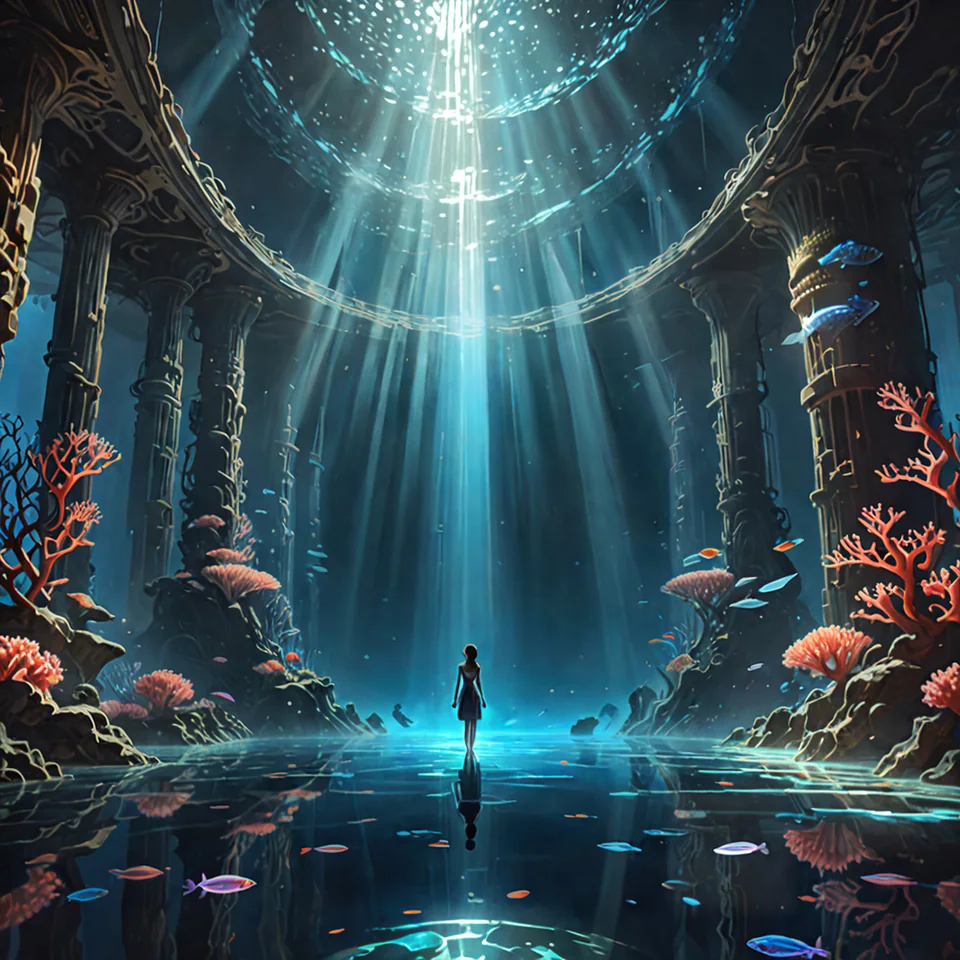




Grotto Glimmer
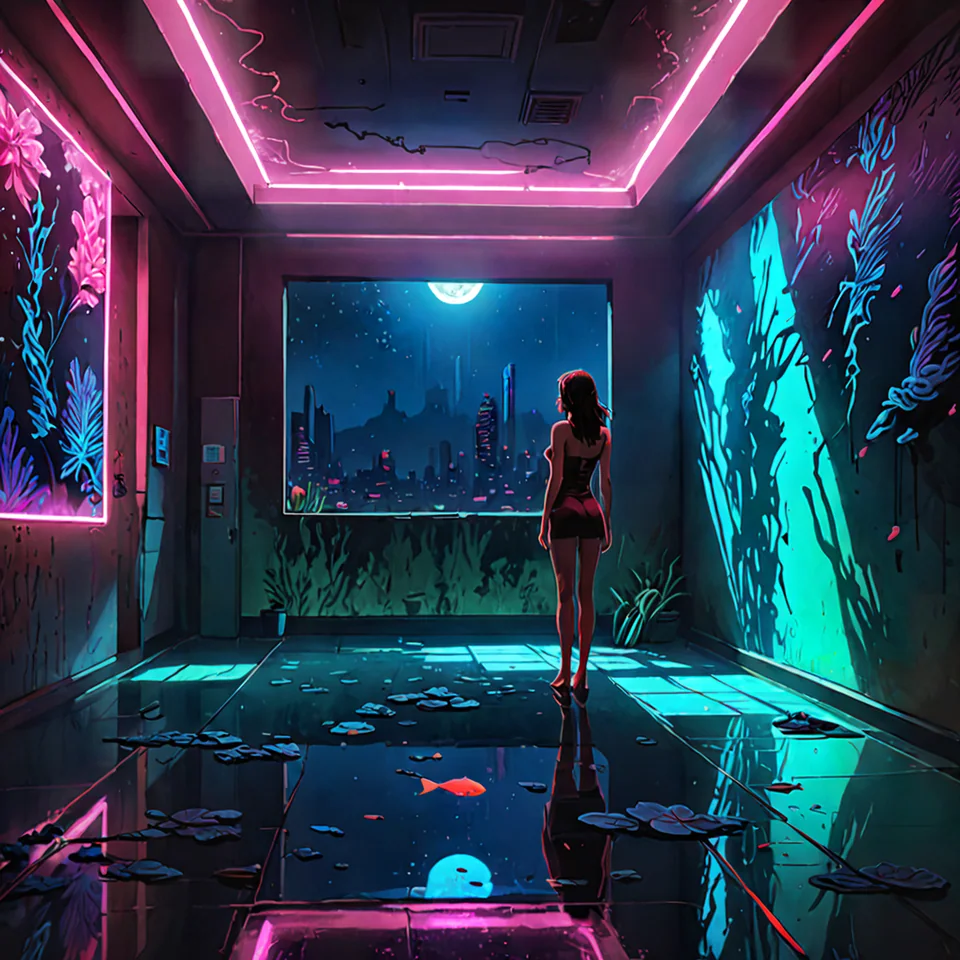
Ambient guitar with a stellar glass glimmer. You sink into an undersea grotto at night











Hoursthat fit

Stargazer Cat
Rose Aurora

Autumn Hush
Milky Fjord
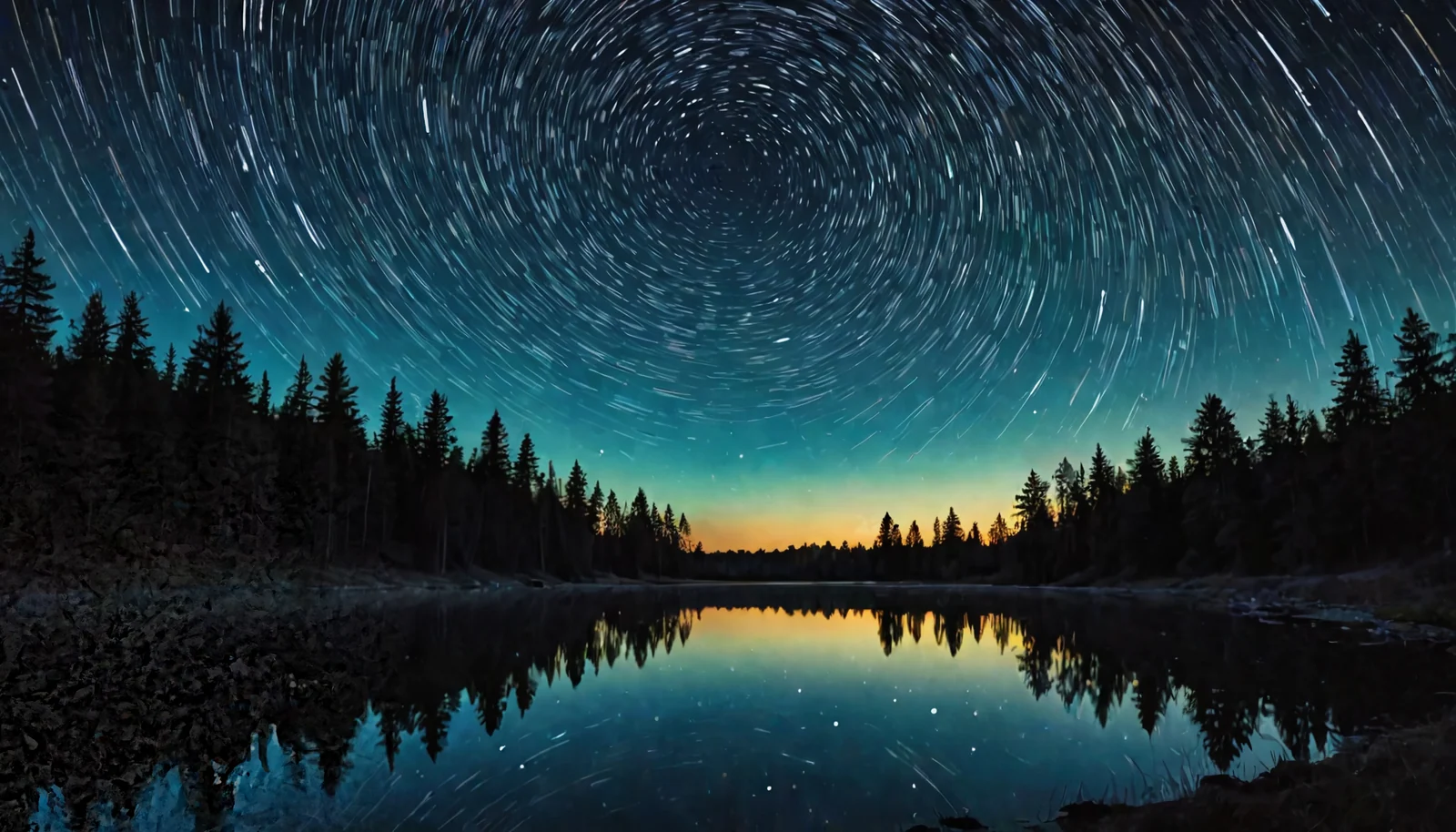
Circling Stars
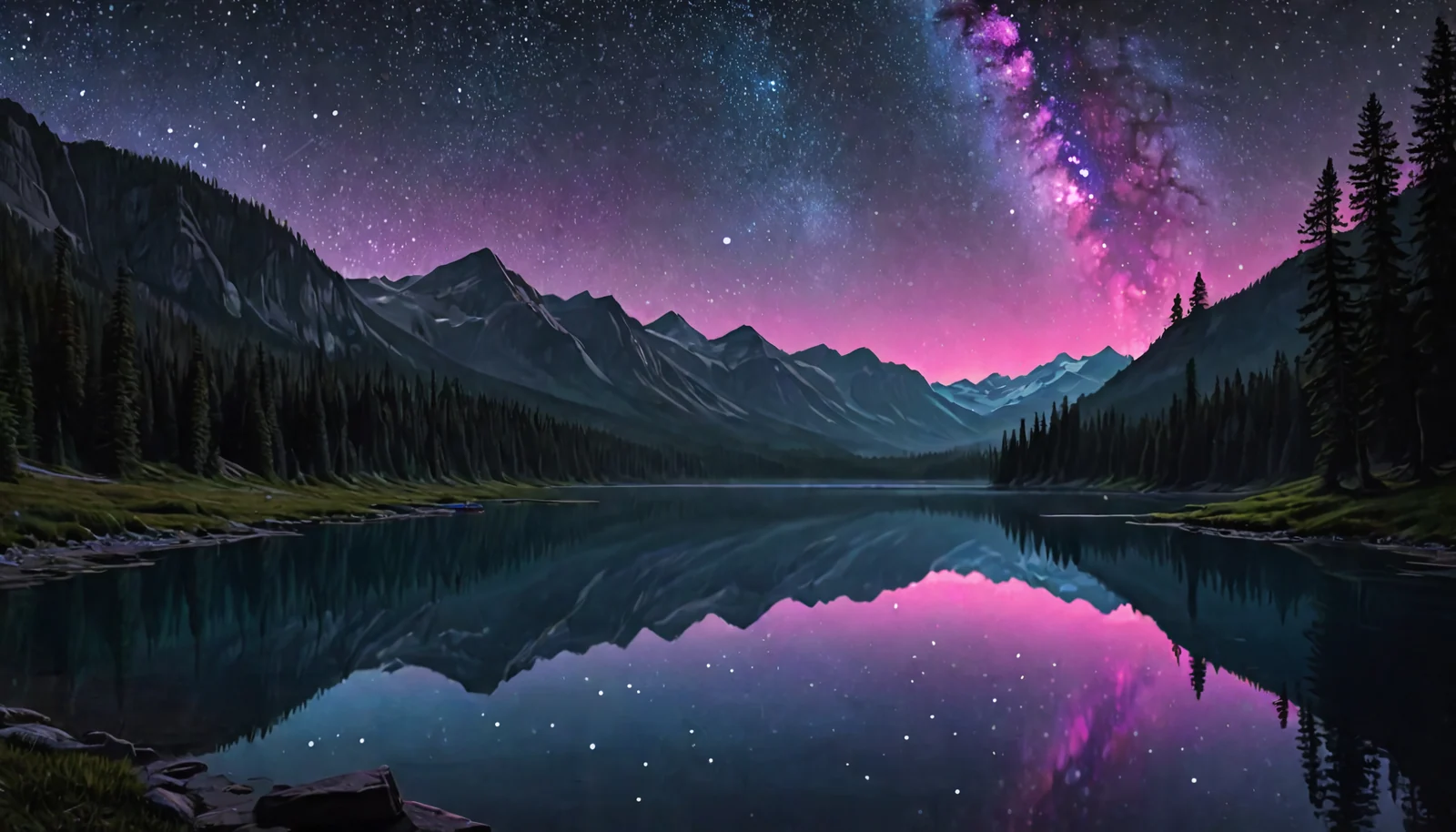
Alpine Mirror
Play itto your guests
Free listening on the site is for private use. To play Dr.DIO to customers, a venue license covers your premises: one player for the room that follows the hour, all stations, a license certificate.
- Only Dr.DIO music, one catalogue for the whole day
- Music changes with the hour of the day
- One player per room, each next one cheaper
- The first 14 days free, cancel any time
- Works on any computer, tablet or phone
Background music for museums should sit under the room like good lighting: noticed only when it is missing. The Cinematic station on Dr.DIO is built for that job, with 303 instrumental tracks and 17 hours of music, so a full opening day passes without obvious repeats. Tempos run from 50 to 105 BPM, with a median of 92, which keeps the pace slow enough for lingering in front of a canvas. The main genres are ambient and downtempo, with touches of chillwave, synthwave, vaporwave and nu-disco, and the moods lean relaxing, spacious, deep and filmic, sometimes dark. It does not take a fixed slot on the radio clock: you pick it yourself, and it keeps playing.
What the Cinematic station sounds like in a gallery
Think of a hall where footsteps are the loudest thing in the room. The sound here leaves space for them. Most pieces are ambient pads and slow piano lines, cold synth textures and a low bass that arrives late and leaves early. Nothing is sung, since every track is instrumental, so no lyric competes with a wall label or an audio guide. The darker, filmic moods give old stone and dim vitrines a sense of depth without turning the visit into a soundtrack.
Downtempo pieces add a gentle pulse for rooms where people move rather than stand. Cathedral Sky sets an electric synth inside what feels like a hall of glass, and Forest Tide lays a downtempo piano over a slow, dark current. Chillwave and synthwave colour the edges with a soft neon haze, useful for modern art or design wings, while the occasional vaporwave or nu-disco cut keeps the long rotation from going grey. The palette stays restrained throughout.
Matching the music to opening hours and rooms
Morning is the quiet stretch, when staff are setting up and the first visitors arrive with coffee still in hand. Soft Mist, an ambient piece at 92 BPM in D minor, fits that hour: attention leans in and stays relaxed. Aurora Air, slower at 84 BPM, opens with a gentle piano and a sense of first light that suits an entrance hall or ticket desk. Keep the volume low enough that a guide can talk over it at normal voice, and let the music fill corners rather than the centre of the room.
Afternoons bring school groups, couples and slow solo walkers, so the pace can lift a touch. Velvet Hours, a downtempo track at 97 BPM, holds a low bass under frosted textures and works in busier galleries. For a dim room of old paintings, Old Canvas at 81 BPM settles like frost on a weathered surface. Toward closing, Midnight Balcony slows right down with an ambient guitar and a darker shade, a soft signal that the day is ending.
For museum managers planning the sound of a visit
This page is written for directors, front-of-house managers and anyone who sets up the speakers in a museum, gallery or exhibition space. Playing music to the public needs a venue license, and Dr.DIO offers one on the For venues page, where the terms are explained in plain words. Once that is in place, the Cinematic station can run through opening hours from a browser on any computer connected to the sound system, with no playlist to build by hand.
Some rooms may want different colours. The collections on the site make a good second layer: Milky Fjord is downtempo ambient built for deep focus, Rose Aurora suits a reading corner or museum library, and Circling Stars leans toward pure relaxation for a cafe or rest area. The other radio stations follow the local clock if you prefer the music to shift with the day. Start the Cinematic station, walk the halls once at visitor volume, and adjust from there.
Questions
Does the Cinematic station have vocals that could distract visitors?
No. Every track on the Cinematic station is instrumental, so there are no lyrics to compete with audio guides, wall texts or a docent speaking to a group in the same room.
How long can the station play before tracks repeat?
The rotation holds about seventeen hours of music, which covers a full opening day and more, so regular staff and returning visitors are unlikely to notice the same piece coming back soon.
Is the tempo slow enough for a quiet gallery?
Yes. Most pieces sit in a calm, unhurried range, with the slowest ones close to a resting pulse, and the overall pace encourages visitors to linger rather than walk through quickly.
What does a museum need to play this music to visitors?
Please see the For venues page on the site, which describes the venue license Dr.DIO offers. For any other business question, the Help page is the right place to ask.
Which genres will visitors hear on the Cinematic station?
Mostly ambient and downtempo, shaded with chillwave, synthwave, vaporwave and occasional nu-disco. The moods lean relaxing, spacious, deep and filmic, with darker pieces that suit dim rooms and old collections.